Content
Introduction: The Link Between Blood Clots and Cardiovascular Health
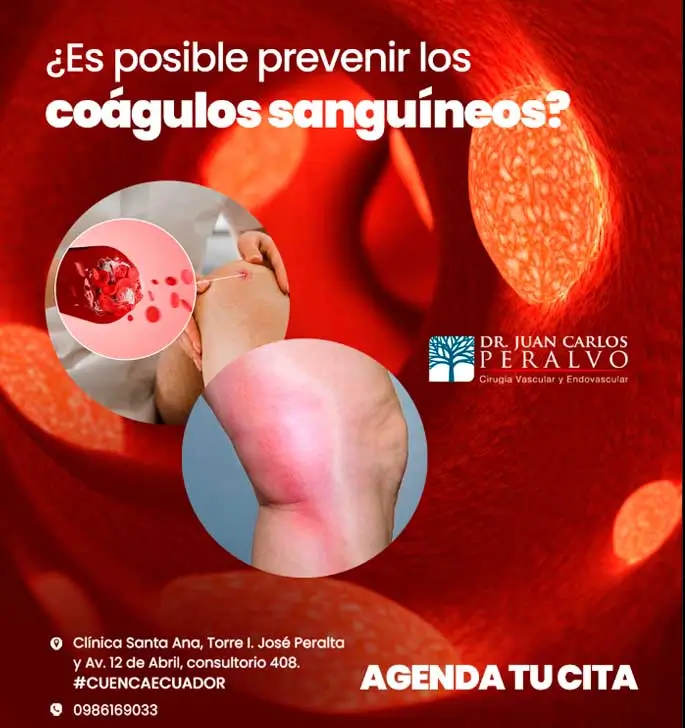
Blood clots, also known as thrombi, can be a silent enemy to cardiovascular health. While clots are a natural part of the body’s healing process, they can sometimes form in the wrong places, leading to serious issues like heart attacks, strokes, and deep vein thrombosis (DVT). In this blog, we’ll explore how blood clots affect your cardiovascular system and what you can do to prevent them, with advice from Dr. Juan Carlos Peralvo, a specialist in vascular surgery in Cuenca, Ecuador.
1. What Are Blood Clots?
Blood clots are solid masses of blood that form when the body tries to stop bleeding after an injury. This process, called coagulation, is essential for survival. However, when clots form abnormally inside blood vessels, they can block blood flow, posing a threat to the heart and brain.
2. Types of Blood Clots and Their Effects on the Cardiovascular System
a) Arterial Clots
Arterial clots form in the arteries, which are the blood vessels that carry oxygenated blood from the heart to the rest of the body. When a clot blocks an artery, it can cut off the oxygen supply to vital organs, leading to:
- Heart Attack: If a clot blocks a coronary artery, it can cause a heart attack.
- Ischemic Stroke: If the clot travels to the brain and blocks a cerebral artery, it can lead to a stroke.
b) Venous Clots
Venous clots form in the veins, which carry blood back to the heart. A common example is deep vein thrombosis (DVT), which mainly occurs in the legs. If a clot in the leg breaks free, it can travel to the lungs and cause a pulmonary embolism, a potentially life-threatening condition.
3. Risk Factors for Blood Clot Formation
Several factors can increase the risk of developing blood clots and cardiovascular problems. Some of the most common include:
- Sedentary Lifestyle: Sitting or being inactive for long periods, such as during long flights or office work, increases the risk of DVT.
- Obesity: Excess weight puts additional pressure on the veins and affects circulation.
- Heart Disease: Conditions like atrial fibrillation increase the risk of clots forming in the heart.
- Smoking: Tobacco use damages the lining of blood vessels, making clot formation easier.
- Hormonal Birth Control: Some contraceptive pills can increase the risk of blood clots in women.
4. Symptoms of Blood Clots
Recognizing the symptoms of a blood clot early can be life-saving. Some common signs include:
- Chest Pain: This may indicate a clot in the heart, potentially leading to a heart attack.
- Swelling and Pain in the Legs: Common in deep vein thrombosis, especially in one leg.
- Difficulty Breathing: If a clot reaches the lungs, it can cause a pulmonary embolism, resulting in sudden shortness of breath.
- Loss of Vision or Difficulty Speaking: These are symptoms of an ischemic stroke.
5. How to Prevent Blood Clots and Cardiovascular Problems
Preventing blood clots and maintaining cardiovascular health is possible through lifestyle changes and healthy habits. Here are some recommendations from Dr. Juan Carlos Peralvo:
a) Stay Active
Regular exercise is key to preventing clot formation, especially DVT. Walking, swimming, and cycling help improve blood circulation and reduce the risk of clots forming in the legs.
b) Stay Hydrated
Drinking enough water is essential to keeping the blood fluid and preventing it from clotting. Dehydration can thicken the blood, increasing the risk of clots.
c) Avoid Prolonged Inactivity
If your job requires you to sit for long periods, make sure to stand up and walk around every 30 minutes. It’s also helpful to stretch your legs and move your ankles to keep blood flowing.
d) Follow a Healthy Diet
A diet rich in fruits, vegetables, whole grains, and healthy fats promotes cardiovascular health and reduces the risk of clots. Avoid foods high in saturated and trans fats, which can contribute to artery blockage.
e) Quit Smoking
Tobacco is one of the major risk factors for cardiovascular problems and clot formation. Quitting smoking improves blood vessel health and significantly lowers the risk of heart disease.
6. Treatments Available for Blood Clots
If you’ve already developed a blood clot, there are treatments available to prevent serious complications. Dr. Peralvo offers several options such as:
- Anticoagulants: Medications that help prevent new clots from forming and stop existing ones from growing.
- Thrombolysis: A specialized treatment to dissolve large clots that block blood flow.
- Venous Surgery: In severe cases, surgical removal of the clot may be necessary to restore blood flow.
Conclusion: Take Control of Your Cardiovascular Health Today
Blood clots are a silent threat that can trigger serious cardiovascular problems. Adopting a healthy lifestyle, staying active, and knowing the risk factors are key steps in preventing clots from forming. If you experience any symptoms or suspect cardiovascular issues, don’t hesitate to consult Dr. Juan Carlos Peralvo. Early diagnosis and appropriate treatment can make a significant difference in your health and well-being.
Visit us on social media for more details. Here!!