Treatment of Venous Diseases
Advanced solutions to improve your vascular health with Dr. Juan Carlos Peralvo specialist in Vascular and Endovascular Surgery in the city of Cuenca- Ecuador
Varicose veins
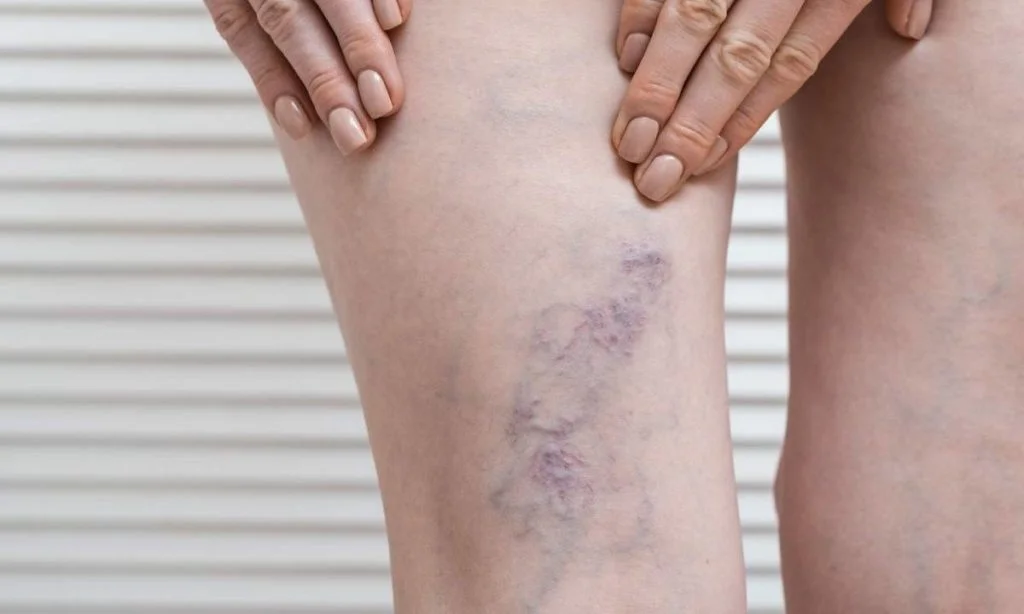
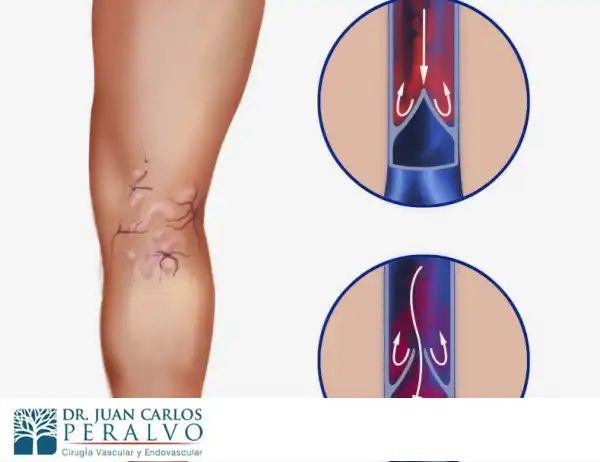
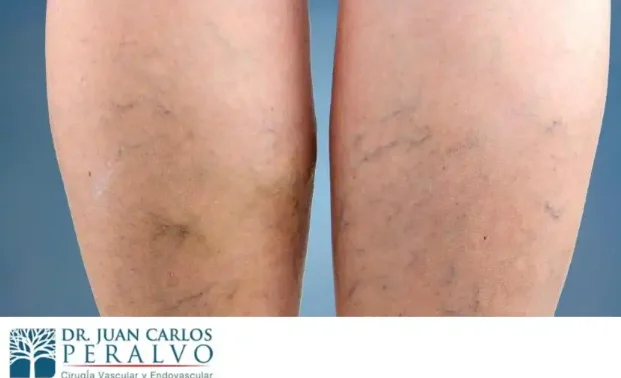
Varicose veins are dilated and twisted veins that commonly appear in the legs due to malfunctioning valves that prevent blood from flowing properly back to the heart. As a result, blood pools in the veins, making them visible and sometimes painful. Varicose veins can cause symptoms such as pain, heaviness, itching, and swelling in the legs, and in severe cases, they can lead to complications such as skin ulcers.
Chronic venous insufficiency:
It is a condition in which the veins in the legs cannot pump blood back to the heart efficiently. This is due to weakness or damage to the venous valves, which causes blood to pool in the legs (venous stasis). Symptoms include swelling, a feeling of heaviness, cramping, itching, skin changes, and, in advanced cases, venous ulcers.
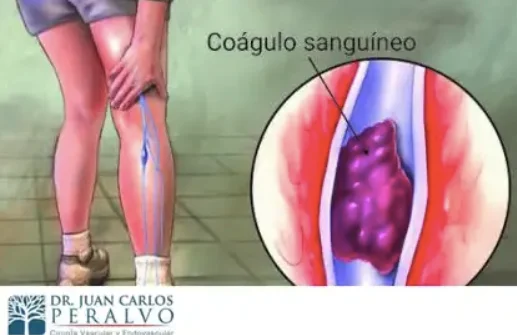
Deep vein thrombosis (DVT):
It is the formation of a blood clot in a deep vein, usually in the legs. This clot can partially or completely block blood flow, causing pain, swelling, redness, and warmth in the affected area. DVT is dangerous because the clot can break off and travel to the lungs, causing a pulmonary embolism, which is life-threatening.
Varicose ulcer:
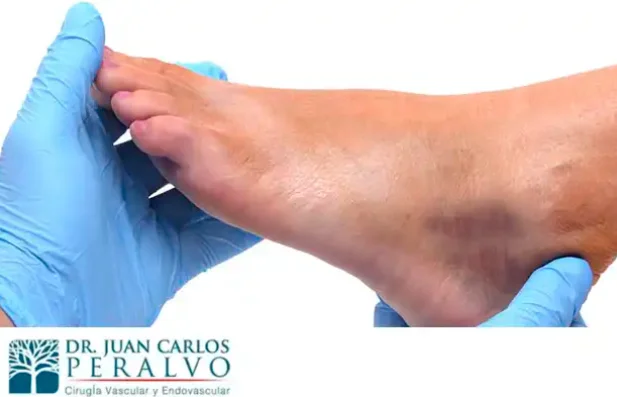
A varicose ulcer is an open wound that forms on the skin, usually on the legs, due to poor blood circulation caused by varicose veins or chronic venous insufficiency. Varicose ulcers tend to be painful, heal slowly, and can easily become infected if not treated properly. Treatment includes improving circulation, wound care, and, in some cases, surgery to address the underlying vein problem.
What are Venous Diseases?
- Chronic Venous Insufficiency: Difficulty of the veins returning blood to the heart, causing swelling and pain.
- Varicose veins: Dilated and twisted veins that cause pain and heaviness in the legs.
- Deep Vein Thrombosis (DVT): Clots in deep veins, with risk of pulmonary embolism. Leg wounds due to poor circulation, difficult to heal.
- Risk Factors: Genetics, age, obesity, sedentary lifestyle, and pregnancy.
Why Choose Dr. Juan Carlos Peralvo?
Each patient is unique, and Dr. Peralvo understands this perfectly. Therefore, he performs exhaustive evaluations to design a treatment plan tailored to the specific needs of each individual, ensuring personalized care that addresses the particularities of each case.
- Extensive Experience: With years of international training and practice in vascular and endovascular surgery, Dr. Peralvo offers treatments based on the most advanced and effective techniques.
- Personalized Approach: Each patient receives a detailed evaluation and a treatment plan tailored to their specific needs.
- Constant Innovation: Committed to excellence, it uses cutting-edge technologies to ensure the best results.
Benefits of Treating Varicose Veins
- Improved Circulation: Relieves pressure in the veins, improving blood flow and reducing swelling.
- Prevention of Complications: Avoid serious problems such as venous ulcers, DVT, and pulmonary embolisms.
- Pain Relief: The treatment eliminates symptoms such as pain, heaviness, and leg cramps.
- Aesthetic Improvement: Reduces the appearance of varicose veins and other visible veins, increasing self-confidence.
- Prevention of Ulcerations: Treating in time can prevent the formation of painful and difficult-to-heal ulcers.
- Reduced Risk of Complications: Minimizes the risk of developing deep vein thrombosis (DVT) and pulmonary embolisms.
- Improved Mobility: Relieving pain and swelling facilitates greater mobility and physical activity.
- Quality of Life: Adequate treatment improves daily comfort, allowing you to lead a more active lifestyle without discomfort.
Frequently Asked Questions about Venous Diseases
How do I know if I have venous disease?
Common symptoms include pain, swelling, visible veins, cramps, and skin changes.
Are venous diseases dangerous?
Yes, they can lead to serious complications such as ulcers, thrombosis, and embolisms if left untreated.
Can I prevent venous diseases?
Maintaining a healthy weight, exercising, and avoiding standing or sitting for long periods can help.
What are the available treatments?
They include sclerotherapy, laser surgery, and endovascular treatments, adapted to each patient’s condition.
Are the treatments painful?
Most modern treatments are minimally invasive and well tolerated, with little or no pain.
Are the results of the treatment permanent?
El tratamiento elimina las venas afectadas, pero nuevas várices pueden desarrollarse con el tiempo.
How long does it take to recover after treatment?
Recovery is usually rapid, and most patients return to their activities within a few days.
What can I do to prevent the recurrence of venous diseases?
Staying active, wearing compression stockings, and following medical recommendations helps prevent recurrences.
Dr. Peralvo – Vascular Surgery
With extensive experience and an unwavering commitment to excellence, Dr. Peralvo offers a personalized approach to help you maintain a healthy heart and enjoy a fulfilling life. Our top priority is your health, and we go to great lengths to ensure you receive the highest quality care and support.