Introduction
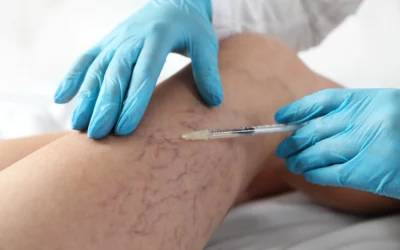
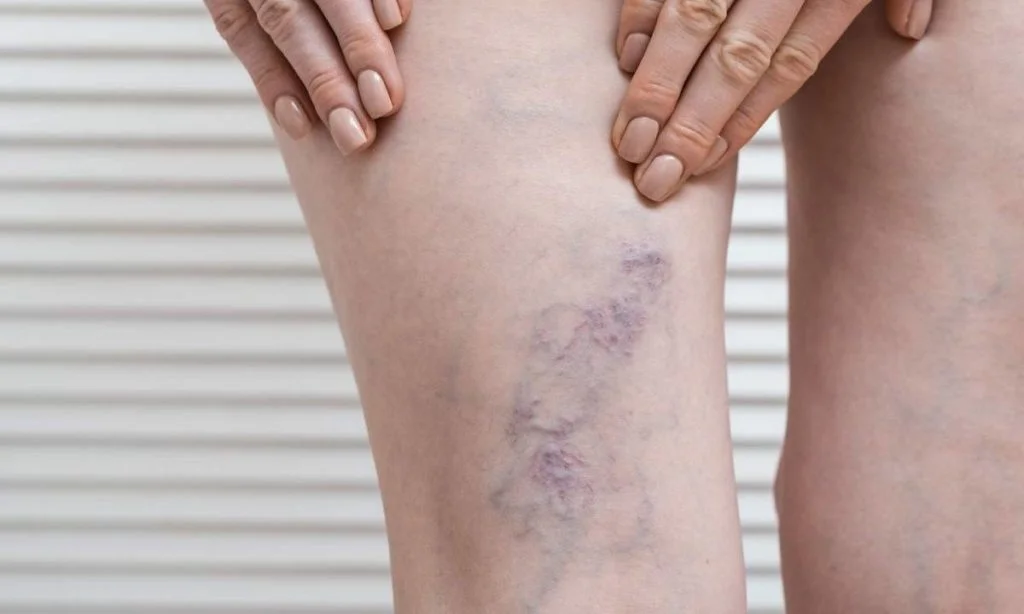
During hot weather, many people with varicose veins experience increased symptoms like heaviness, swelling, pain, or itching. This is due to the dilation of veins caused by heat, which worsens venous return issues.
Dr. Juan Carlos Peralvo, Vascular and Endovascular Surgeon in Cuenca, Ecuador, shares why heat affects circulation and how to manage varicose vein symptoms effectively.
Why does heat affect varicose veins?
High temperatures cause vasodilation, or widening of the veins. This weakens the veins’ ability to return blood to the heart, especially in those with chronic venous insufficiency.
As a result, symptoms may include:
- Heaviness or fatigue in the legs
- Swelling, especially at the end of the day
- Burning or aching pain
- Itching or skin changes
Recommendations to relieve symptoms
These simple habits can greatly help during warm days:
- Wear light and breathable clothing
- Avoid prolonged standing or direct sun exposure
- Stay well-hydrated
- Elevate your legs multiple times a day
- Apply cool water showers to the legs to improve circulation
If symptoms persist, it is best to consult a vascular specialist.
When should you see a doctor?
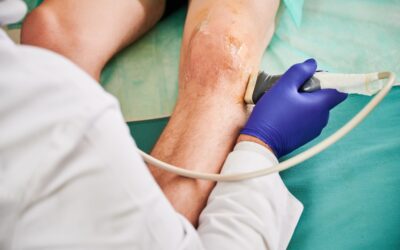
If you notice skin discoloration, persistent swelling, intense pain, or ulcers, a venous Doppler ultrasound is essential to assess the condition and guide proper treatment.
💡 Schedule a full vascular evaluation with Dr. Juan Carlos Peralvo:
Click here to book