Poor circulation is a common but often overlooked condition. It can silently affect your quality of life. Dr. Juan Carlos Peralvo, a Vascular and Endovascular Surgeon in Cuenca, Ecuador, explains how to recognize the signs and when to seek medical advice.
What is poor circulation?
It happens when blood flow is restricted or slowed due to vessel blockages or weakness, preventing proper delivery of oxygen and nutrients to parts of the body, especially the limbs.
Common symptoms of poor circulation:
- Cold feet and hands
- Swelling in ankles or legs
- Pain or cramps while walking
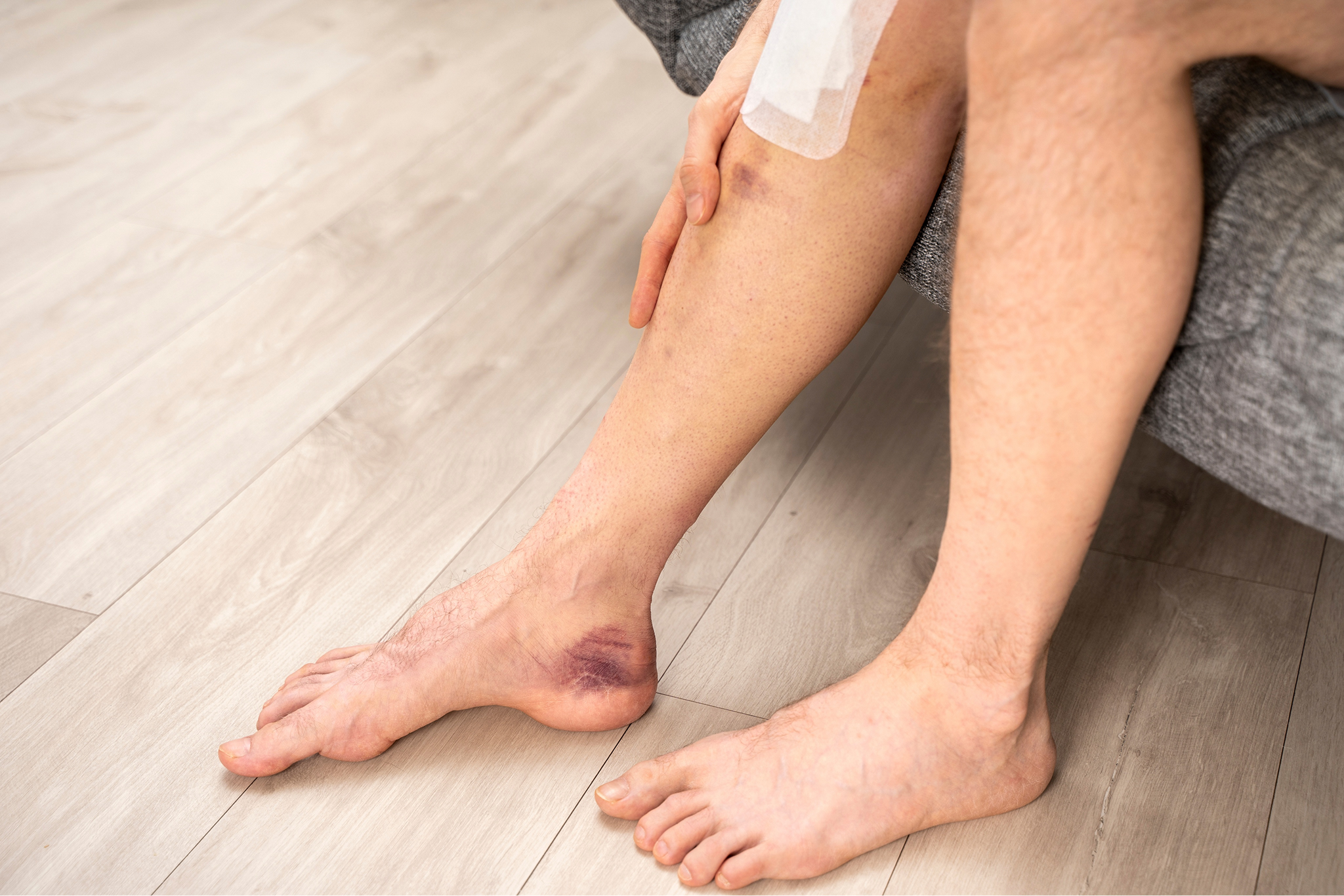
- Skin discoloration
- Tingling or numbness
Main causes:
- Atherosclerosis (plaque buildup in arteries)
- Varicose veins or chronic venous insufficiency
- Deep vein thrombosis (DVT)
- Uncontrolled diabetes or hypertension
- Sedentary lifestyle or smoking
Diagnosis and treatment
Dr. Peralvo offers a comprehensive approach:
- Doppler ultrasound to assess blood flow
- Angiography to visualize arterial blockages
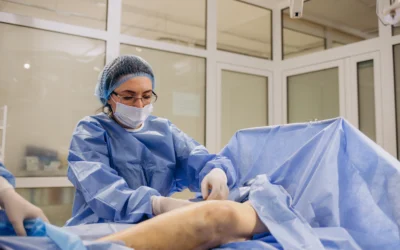
- Endovascular procedures or sclerotherapy, depending on the case
Tips to improve circulation
- Low-impact regular exercise
- Heart-healthy diet rich in Omega-3
- Avoid prolonged sitting
- Wear compression stockings if medically indicated
💡 Schedule your consultation here for a full vascular evaluation.
Conclusion
Poor circulation is a warning sign you shouldn’t ignore. Early detection can help prevent serious complications like ulcers, thrombosis, or limb loss in high-risk patients. Dr. Juan Carlos Peralvo provides accurate diagnosis and safe, effective treatment in Cuenca, Ecuador.