Chronic Venous Insufficiency: Causes, Symptoms, and Treatments in Ecuador
Chronic venous insufficiency (CVI) is one of the most frequent vascular pathologies in the adult population of Ecuador. It occurs when the veins in the legs fail to return blood efficiently to the heart, causing blood pooling that leads to progressive symptoms and complications if not treated in time.
What is Chronic Venous Insufficiency?
It is a failure in the venous valvular system that prevents blood from flowing correctly against gravity. In our country, factors such as a sedentary lifestyle, genetics, and long hours of standing, which are very common in the commercial and office sectors, accelerate its onset. For a professional evaluation, you can consult with specialists in vascular surgery in Quito, where advanced techniques are used for accurate diagnosis.
Warning Symptoms
Recognizing early symptoms is vital to avoid the development of venous ulcers. Among the most common signs are:
- Heaviness and persistent pain in the legs.
- Swelling or edema, especially at the end of the day.
- Appearance of varicose veins or spider veins (telangiectasias).
- Changes in skin coloration (ochre pigmentation).
- Night cramps.
Modern Treatments
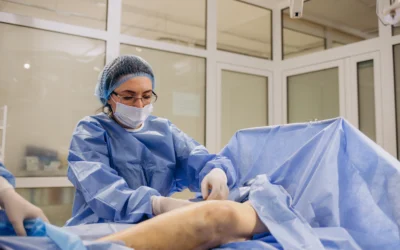
Currently, vascular surgery has evolved dramatically. The invasive procedures of the past are long gone. Today, techniques such as endovenous laser ablation or sclerotherapy are the gold standard due to their quick recovery and excellent aesthetic results. If you are looking for detailed information on these procedures, visit the services of vascular specialists to learn about the options available according to the severity of your condition.
Prevention and Recommendations
To improve venous health, it is essential to maintain a healthy weight, perform aerobic physical activity, and avoid wearing excessively tight clothing. According to the Mayo Clinic, the use of graduated compression stockings under medical supervision is one of the most effective strategies to control mild symptoms.
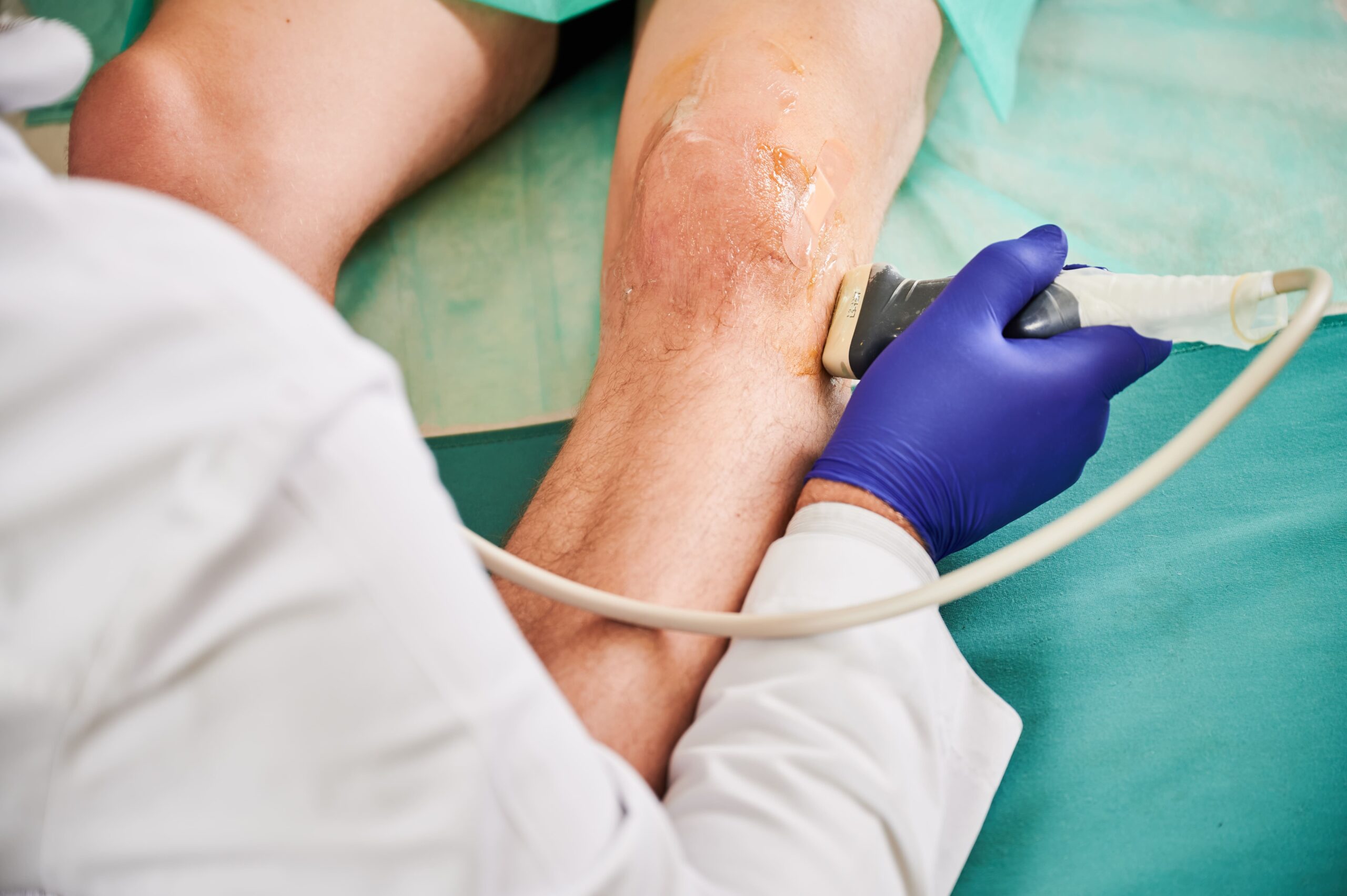
Do not ignore the symptoms. Early care is the best defense against the progression of this disease. If you reside in Ecuador, go to a specialized center to perform a venous Doppler ultrasound, the fundamental exam to determine the actual state of your circulatory system.