Varicose veins represent one of the most common pathologies I treat daily in my vascular surgery practice in Cuenca, Ecuador. They are not merely an aesthetic concern, but an external manifestation of Chronic Venous Insufficiency, a condition that affects the quality of life of thousands of people. Persistent pain, heaviness, and swelling in the legs are warning signs that the body sends to indicate that circulation is not functioning optimally. Throughout my career, I have observed how timely treatment not only improves the appearance of the legs but also prevents severe complications such as venous ulcers and thrombosis.
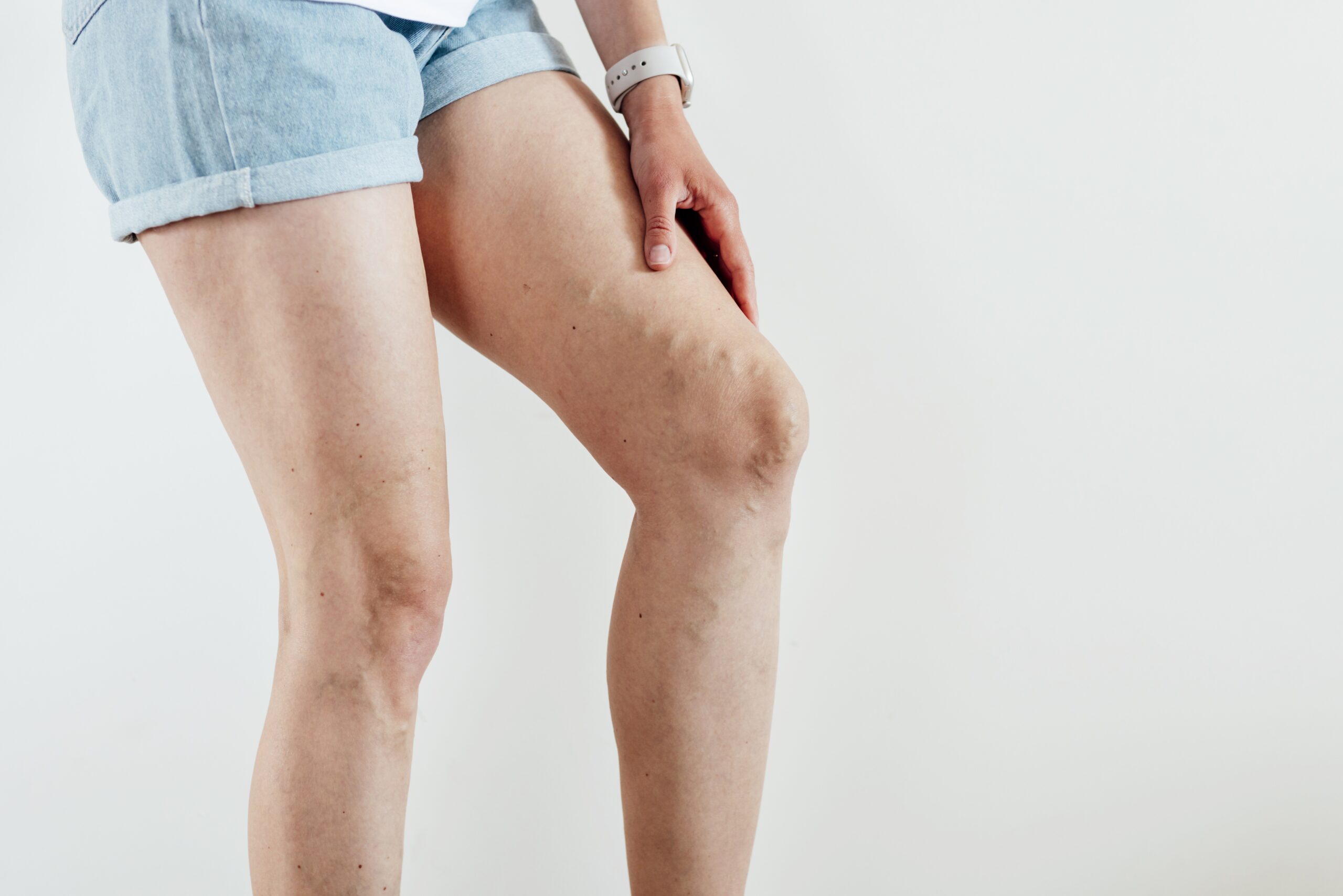
Varicose veins are dilated, elongated, and tortuous veins that have lost their functional capacity due to the failure of venous valves, preventing the efficient return of blood to the heart. This blood accumulation, known as venous reflux, causes an increase in pressure in the veins of the legs, generating inflammation, pain, and visible skin alterations.
What is venous insufficiency and varicose veins?
To understand what varicose veins are, we must understand how the circulatory system works in our limbs. The veins in the legs have the arduous task of transporting blood back to the heart, fighting against the force of gravity. To achieve this, they have small valves that act as one-way gates, allowing blood to move up but preventing it from flowing backward. When these valves weaken or become damaged, blood pools, the venous walls distend, and varicose veins appear.
According to data from the World Health Organization (WHO), it is estimated that up to 30% of the world’s adult population suffers from some degree of venous insufficiency. In Ecuador, and specifically in our Andean region, factors such as a sedentary lifestyle, genetic predisposition, and hormonal changes increase the incidence of this pathology. As a vascular surgery specialist, I classify varicose veins according to the international CEAP scale (Clinical, Etiology, Anatomy, and Pathophysiology), which ranges from grade C0 (no visible signs) to C6 (active ulcer).
It is essential to differentiate between the different types of venous conditions:
- Telangiectasias (Spider veins): These are red or purplish dilations of superficial capillaries. Although they are usually an aesthetic concern, they can be the first sign of a deeper internal problem.
- Reticular veins: Bluish veins, slightly larger than spider veins, which often feed the telangiectasias.
- Trunkal varicose veins: These are large-caliber, palpable, and raised veins, which generally indicate a failure in the great or small saphenous veins.
When is treatment indicated?
Treatment of varicose veins should not be postponed until symptoms are unbearable. As a vascular physician in Cuenca, my recommendation is to seek an evaluation when the disease affects daily functionality or when there is a risk of progression. The guidelines of the Society for Vascular Surgery suggest that intervention is indicated in the following cases:
1. Persistent symptoms: When the patient experiences throbbing pain, extreme heaviness at the end of the day, night cramps, or a burning sensation that does not improve with rest or limb elevation.
2. Skin complications: The presence of hyperpigmentation (dark spots), venous eczema, lipodermatosclerosis (hardening of the skin), or atrophie blanche are signs that the skin is suffering from constant venous pressure.
3. Episodes of thrombophlebitis: If a varicose vein becomes inflamed, hardened, and painful to the touch, it could be a superficial clot that requires immediate treatment to prevent it from progressing to the deep venous system.
4. Bleeding from varicose veins (Varicorrhage): A varicose vein that ruptures spontaneously or after minimal trauma represents a medical emergency that must be resolved definitively to avoid recurrence.
5. Venous ulcers: These are the most advanced stage of the disease. Treatment of the source vein is essential to achieve closure of the ulcer and prevent it from reopening.
6. Aesthetic motivation: Although no serious physical symptoms may exist, many patients seek treatment to regain confidence and show their legs without complexes, which is entirely valid under professional medical supervision.
| Treatment | Main Indication | Procedure Type | Recovery Time |
|---|---|---|---|
| Sclerotherapy | Spider veins and small veins | Injectable / Outpatient | Immediate |
| Laser Ablation (EVLT) | Trunkal varicose veins (Saphenous) | Minimally invasive | 24 – 48 hours |
| Radiofrequency | Saphenous insufficiency | Minimally invasive | 24 – 48 hours |
| Conventional Surgery | Very complex or tortuous cases | Surgical | 10 – 15 days |
Step-by-step process or treatment
In my clinical practice, the approach to varicose veins is personalized. There is no single treatment for all patients; often, we combine techniques to obtain the best functional and aesthetic result. Here I explain the standard process for modern treatments:
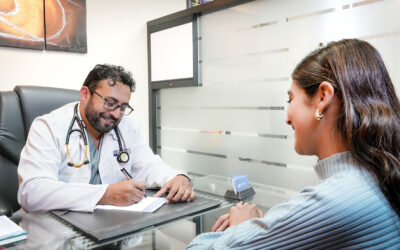
- Initial Assessment and Doppler Ultrasound: This is the most important step. I perform a detailed venous mapping using Doppler ultrasound to identify exactly where the valves are failing. Without this study, any treatment would be like ‘working blind.’ You can read more about diagnosis in my diagnostic services section.
- Patient Preparation: Risks and benefits are explained. Long fasting is not required for minimally invasive techniques, and the patient can generally walk immediately after the procedure.
- Execution of Treatment (Example: Endovenous Laser):
- Local anesthesia is applied along the path of the vein to be treated.
- Under ultrasound guidance, a very thin laser optical fiber is inserted into the diseased vein.
- Controlled thermal energy is released, sealing the vein from the inside.
- Blood is automatically redirected to healthy veins, immediately improving circulation.
- Treatment of Secondary Veins: If collateral varicose veins exist, I perform microphlebectomies (extractions through millimeter-sized openings) or foam sclerotherapy to seal the remaining veins. For more details on this method, visit our page on advanced sclerotherapy.
- Placement of Bandage or Compression Stocking: Upon completion, a medical-grade compression garment is placed to ensure that the walls of the treated veins remain sealed and to reduce inflammation.
Recovery and Care
Modern medicine allows us to offer treatments that do not drastically interrupt the patient’s life. However, long-term success depends on compliance with postoperative care. Here in Cuenca, the altitude and cool climate favor a comfortable recovery, but I always insist on the following guidelines:
‘Recovery from a modern venous procedure is not based on absolute rest, but on controlled movement and adequate compression.’ – Dr. Juan Carlos Peralvo.
- Daily walks: It is essential to walk at least 30 to 45 minutes a day starting from the first day after treatment. This activates the calf muscle pump and promotes blood flow in the deep veins.
- Use of compression stockings: I generally recommend their use during the first 1 to 2 weeks. Compression helps minimize bruising and ensures the treatment is effective.
- Avoid extreme heat: During the first 15 days, the use of hot springs, saunas, or direct exposure of the legs to the sun should be avoided, as heat causes vasodilation and can interfere with the sealing of the veins.
- Limb elevation: When resting, elevating the legs above heart level for 15 minutes, three times a day, helps reduce any residual edema.
- Hydration and skin care: Keeping the skin hydrated with specific creams helps tissue regeneration and prevents irritation from the use of stockings.
Frequently Asked Questions
Is it painful?
Thanks to current techniques and the use of tumescent local anesthesia, pain during the procedure is minimal or non-existent. Most patients describe a sensation of light pressure or occasional ‘pinpricks.’ Postoperatively, there may be mild discomfort similar to muscle soreness, which is easily controlled with common analgesics.
How long does recovery take?
In the case of laser or radiofrequency, recovery is almost immediate. The patient walks out of the clinic. Returning to office work activities usually happens within 24 to 48 hours. Intense physical activities (gym, running) can be resumed gradually after 7 to 10 days.
Does health insurance cover it in Ecuador?
Most private health insurance in Ecuador covers varicose vein treatment when there is a clear medical justification (venous insufficiency demonstrated by Doppler and clinical symptoms). Since policies and coverage vary between companies, the administrative process usually requires a detailed medical report that we provide. It is important to emphasize that the value of the treatment is strictly defined during the in-person assessment, after evaluating the complexity of the case.
Can varicose veins come back?
This is a common concern. While correctly treated veins are permanently eliminated, venous insufficiency is a chronic condition. If the patient has a strong genetic predisposition and does not maintain healthy habits, new varicose veins could develop in other veins over the years. Therefore, periodic follow-up is key.
When to consult Dr. Juan Carlos Peralvo?
If you reside in Cuenca or its surroundings and have noticed that your legs feel heavy at the end of the day, if you see bulging veins, or if dark spots have appeared near your ankles, it is time for a specialized evaluation. Ignoring these signs can lead to complications that limit your mobility in the future.
As a certified specialist, my goal is to provide you with a precise diagnosis and a treatment plan based on the latest scientific evidence. Do not let varicose veins dictate how you live your life or what clothes you should wear. The health of your legs is the engine of your independence. You can schedule an appointment for a full assessment and a Doppler ultrasound study through my contact and appointments section.