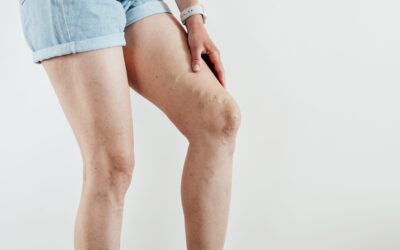
Blood circulation is the silent engine that keeps all the tissues in our body alive and active. However, when arteries narrow or become blocked due to conditions such as atherosclerosis, diabetes, or smoking, organs and limbs stop receiving the oxygen and nutrients necessary to function. In my daily practice in Cuenca, Ecuador, I frequently see patients arrive with pain when walking, wounds that do not heal, or, in advanced cases, at risk of losing a limb. Fortunately, modern medicine offers advanced solutions such as vascular bypass, a procedure designed to bypass these obstructions and restore blood flow, returning mobility and significantly improving the quality of life for those who trust in our specialized care.
A vascular bypass is a surgical procedure whereby an alternative circulation pathway is created using a graft—which can be a vein from the patient themselves or a synthetic tube—to divert blood flow around a blocked or damaged artery, thereby restoring an adequate blood supply to the affected tissues.
What is a vascular bypass?
As a vascular surgeon, I usually explain to my patients that a bypass works exactly like a beltway or a detour on a highway: when a main highway is completely blocked by an accident or deterioration, an alternative road is built so that traffic can continue on its course without interruptions. In the circulatory system, the ‘highway’ is the artery that has become obstructed due to the accumulation of cholesterol plaque (atherosclerosis), clots, or trauma.
To create this detour, in the operating room we use a conduit that we call a graft. This graft can be biological, preferably using a vein from the patient’s own body (such as the saphenous vein from the leg), or prosthetic, made of biocompatible synthetic materials such as Dacron or polytetrafluoroethylene (PTFE). We connect this graft above the arterial obstruction and the other end below it, allowing the blood to jump the obstacle and continue flowing normally to the tissues that were suffering from a lack of blood supply.
This type of intervention requires high precision and state-of-the-art technology. In our vascular surgery unit in Cuenca, we evaluate each case in a personalized way to determine if the patient is an ideal candidate for this open surgery or if they could benefit first from minimally invasive techniques such as balloon angioplasty and stents.
When is it indicated?
Vascular bypass is not the first option for all circulatory problems, but it becomes a vital and irreplaceable tool when less invasive alternatives have failed or the severity of the case warrants it. According to the international clinical guidelines of the Society for Vascular Surgery (SVS) and the guidelines of the Ministry of Public Health of Ecuador (MSP), this procedure is mainly indicated in the following situations:
- Critical limb ischemia: When blood flow is so poor that the patient experiences severe pain at rest (especially at night) or presents ulcers and gangrene that threaten amputation of the foot or leg.
Disabling intermittent claudication: Severe pain in the calf or thigh muscles when walking short distances, which drastically limits the patient’s daily life and work activities, without responding to medical and pharmacological treatment.
Extensive or calcified arterial obstructions: Long lesions in the arteries (such as the femoral, popliteal, or leg vessels) where conventional balloons and stents have high rates of failure or reocclusion.
Complex aneurysms: Abnormal dilations of the aorta or other major arteries that require diverting flow to prevent a fatal rupture.
Advanced carotid occlusions: In certain cases to prevent cerebrovascular events (strokes), although endarterectomy is usually the first line of defense.
Statistics from the World Health Organization (WHO) indicate that cardiovascular and peripheral vascular diseases represent one of the leading causes of morbidity and mortality globally. In Ecuador, the prevalence of diabetes mellitus—a direct acceleration factor for severe arterial obstruction—makes the need for limb-salvage procedures such as bypass a constant clinical reality in Andean cities like Cuenca.
Step-by-step process or treatment
Performing a vascular bypass is a major surgical procedure that requires a rigorous medical protocol before, during, and after the intervention to guarantee success and minimize any risk to the patient:
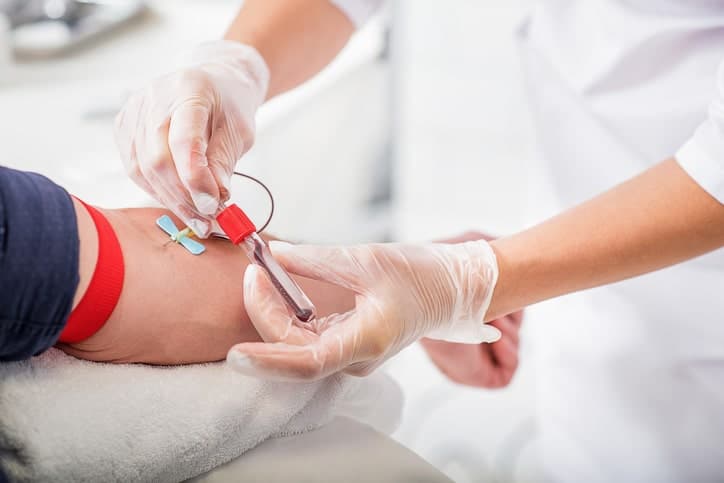
- Preoperative evaluation and diagnosis: We perform a complete medical history and advanced imaging examinations, highlighting CT angiography or arterial duplex ultrasound, tools that allow me to map with millimeter precision the site of the obstruction and the condition of the blood vessels available for the graft.
Anesthesia and preparation: The patient enters the operating room where the anesthesiology team administers general or regional anesthesia (epidural/spinal), ensuring that the procedure is completely painless.
Harvesting the graft: If we use the patient’s own vein, we make a complementary incision to carefully extract it and prepare it for use as a circulatory bridge.
Approach and vascular control: Incisions are made in the affected anatomical area to expose the diseased artery above and below the obstruction. Temporary vascular clamps are placed to stop blood flow in that specific segment.
Creation of the bypass: Using surgical magnifying glasses and ultra-fine suture threads (thinner than a human hair), I anastomose (connect) the graft to the proximal artery and then to the distal artery.
Restoration of flow and closure: The vascular clamps are removed allowing blood to flow through the new conduit. I check the distal pulse directly in the limb and, once technical success is verified, I proceed to careful closure of the tissues and skin by layers.
Transfer to postoperative care: The patient is taken to the intensive care unit (ICU) or recovery to closely monitor blood pressure and graft perfusion during the first 24 to 48 hours.
Recovery and care
Recovery after a vascular bypass is a gradual process that requires patience, discipline, and close medical monitoring. In my office in Cuenca, I always insist to my patients that the success of the surgery does not depend solely on the hours we spend in the operating room, but on subsequent care at home.
During the first few days in the hospital, the main focus is pain control, early mobilization (starting to walk with help to prevent the formation of deep vein thrombosis), and strict monitoring of surgical wounds. Once discharged, the patient must follow these fundamental recommendations:
- Wound care: Keep incisions clean and dry, attending follow-up appointments for suture removal according to medical instructions.
Strict medication: It is vital to take prescribed drugs, especially antiplatelet agents (such as aspirin or clopidogrel) or anticoagulants, specifically designed to prevent blood from clotting inside the new graft.
Lifestyle changes: Completely quitting smoking is a golden rule, as smoking constricts blood vessels and destroys the bypass. Likewise, blood pressure, cholesterol, and blood sugar levels must be rigorously controlled.
Vascular rehabilitation: Walking progressively according to tolerance helps stimulate collateral circulation and strengthens limb muscles.
To learn more about how we manage these cases and the importance of prevention, I invite you to read more about our approaches in the section of our specialized medical blog.
Frequently asked questions
Is it painful?
During the surgery you will feel absolutely nothing thanks to the anesthesia. In the immediate postoperative period it is normal to experience discomfort, tightness, or mild to moderate pain in the areas of the surgical incisions, which is controlled very effectively with the analgesics prescribed by our medical team.
How long is the recovery?
Hospital stay usually lasts between 3 and 7 days. Functional recovery at home takes 4 to 8 weeks to resume moderate daily activities, although complete internal healing and the consolidation of the walking routine may require up to 3 months of constant follow-up.
Does health insurance cover it in Ecuador?
Yes, the vast majority of prepaid medicine policies and private insurances in Ecuador cover vascular bypass when there is a documented medical diagnosis that justifies the need to save a limb or improve a severe ischemic condition. It is always advisable to check your policy conditions and manage pre-authorization.
How long can a vascular bypass function properly?
The durability of the bypass depends on multiple factors, such as the type of graft used (own veins usually have superior long-term patency compared to synthetic materials), strict control of the patient’s cardiovascular risk factors, and absolute adherence to medical treatment. Many bypasses remain open and functional for more than 10 or 15 years, providing an excellent quality of life.
When to consult Dr. Juan Carlos Peralvo?
Ignoring the initial symptoms of poor circulation can turn a treatable problem into an irreversible medical emergency. As a vascular surgery specialist in Cuenca, Ecuador, I urge you to seek immediate professional evaluation if you or a family member experience:
- Persistent pain in the calves, thighs, or buttocks when walking short distances that disappears when stopping (claudication).
Intense, burning pain in the feet or toes while resting in bed, especially at night.
Wounds, ulcers, or sores on the feet or legs that take weeks or months to heal, or that show signs of redness and necrosis (dark or black coloration).
Extreme coldness, paleness, or sudden loss of sensation in a limb.
The health of your arteries determines your mobility and independence. Early detection of an arterial obstruction and treating it with a specialized approach can save your limb and protect your life. Do not wait for pain to limit your day-to-day life; schedule your consultation today with Dr. Juan Carlos Peralvo in Cuenca and recover the flow of your well-being.