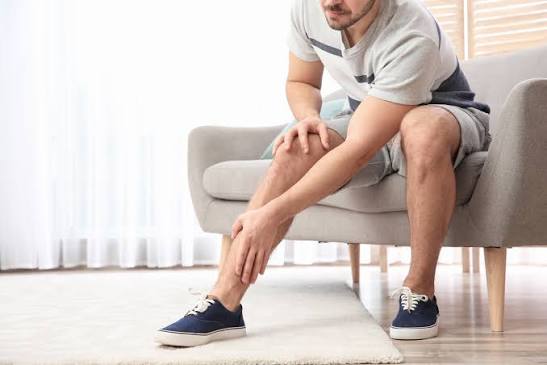
Heavy leg syndrome is one of the most frequent reasons for consultation in my daily practice as a vascular surgeon in Cuenca, Ecuador. This condition, which significantly affects quality of life, manifests as persistent heaviness, tingling, and occasionally, sharp pain at the end of the day. Often underestimated as simple physical fatigue due to daily stress, it actually represents the initial clinical manifestation of venous insufficiency that requires specialized attention. As a specialist, I observe that the combination of genetic factors, a sedentary lifestyle, and prolonged standing are key triggers that can evolve into severe complications if not addressed in time.
Heavy leg syndrome is a vascular condition characterized by the venous system’s difficulty in efficiently returning blood from the lower extremities back to the heart. It manifests through heaviness, edema, cramps, and tension, generally stemming from functional or organic chronic venous insufficiency in the vein valves.
What is heavy leg syndrome?
From a medical standpoint, what we commonly call ‘heavy legs’ is actually an early stage of Chronic Venous Insufficiency (CVI). To understand it, we must visualize how our circulation works. The heart pumps oxygenated blood to the legs through the arteries, but the return of that blood (now deoxygenated) must fight against gravity to get back to the heart. This process depends on two main mechanisms: the calf muscle pump and the venous valves.
In my experience in the city of Cuenca, I have noted that work activities requiring many hours of standing or sitting, added to geographical and climatic factors, predispose these valves to lose elasticity or stop closing correctly. When the valves fail, blood pools in the veins of the legs, increasing hydrostatic pressure and leaking fluids into the surrounding tissues, which generates inflammation or edema.
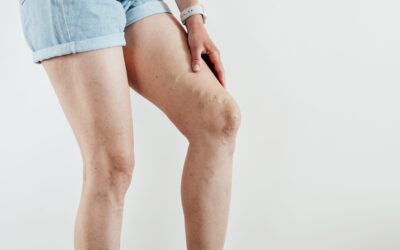
According to data from the World Health Organization (WHO) and international clinical guidelines for vascular surgery, it is estimated that up to 30% of the adult population suffers from some degree of venous insufficiency. In Ecuador, statistics from the Ministry of Public Health (MSP) reflect a similar trend, especially in women of childbearing age or patients with overweight. It is not simply an aesthetic problem or a matter of fatigue; it is a failure in circulatory hemodynamics that can lead to varicose veins, skin discoloration, and even venous ulcers that are difficult to heal.
To help my patients identify whether what they are feeling is normal or pathological, I have designed this comparative table:
| Characteristic | Healthy Circulation | Heavy Leg Syndrome |
|---|---|---|
| Sensation at the end of the day | Lightness or mild muscle fatigue. | Extreme heaviness, a sensation of ‘fullness’ or tension. |
| Swelling (Edema) | Non-existent or very mild after intense exercise. | Noticeable in ankles and feet; leaves a mark when pressed (pitting). |
| Presence of visual signs | Smooth skin and non-perceptible veins. | Telangiectasias (spider veins) or reticular veins. |
| Symptom relief | Conventional rest. | Requires elevating the legs above the heart. |
When is medical treatment or assessment indicated?
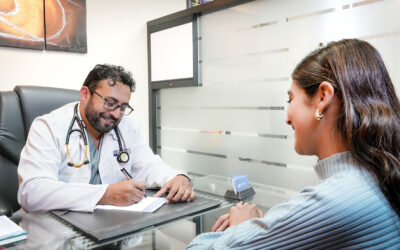
An assessment by a vascular surgery specialist is indicated whenever symptoms of heaviness interfere with daily activities. One should not wait for voluminous varicose veins or wounds to appear before seeking help. As Dr. Juan Carlos Peralvo, I recommend a diagnostic consultation if you present:
- A sensation of heat or burning in the calves.
- Night cramps that interrupt sleep.
- Ankle swelling that disappears upon waking but returns in the afternoon.
- Presence of vascular ‘spider veins’ or bluish veins on thighs or knees.
- Constant itching (pruritus) in the ankle area.
Medical treatment is indicated to prevent the progression of the disease. In early stages, the goal is to improve venous tone and reduce pressure. In advanced stages, we seek to eliminate diseased venous paths to redirect flow toward healthy veins. It is fundamental to perform venous mapping using a color Doppler ultrasound, which is the ‘gold standard’ for accurately diagnosing where the circulation is failing.
Step-by-step process or treatment
In my clinic in Cuenca, we approach heavy leg syndrome in a comprehensive and personalized way. The process usually follows these steps:
- Clinical History and Physical Examination: We evaluate family history, work habits, and risk factors. I perform a detailed inspection of the limbs looking for signs of hyperpigmentation or inflammation.
- Diagnostic Imaging: We perform a Doppler ultrasound study to evaluate blood flow in real-time. This allows us to rule out deep vein thrombosis and locate insufficient valves.
- Hygienic-Dietary Measures: We establish a plan to improve the muscle pump, which includes specific foot flexo-extension exercises and nutritional recommendations to reduce systemic inflammation.
- Compression Therapy: This is the fundamental pillar of treatment. Graduated compression stockings are prescribed with the exact pressure (measured in mmHg) that each patient needs. These are not common support stockings; they are therapeutic medical devices.
- Pharmacological Treatment (Venotonics): Prescription of drugs of natural or synthetic origin that help strengthen the vein walls and improve lymphatic drainage.
- Minimally Invasive Procedures: If the origin is varicose veins or saphenous insufficiency, we can opt for laser treatments or foam sclerotherapy, which are performed on an outpatient basis and without the need for a conventional operating room in many cases.
‘The success of the treatment does not depend solely on the technology used, but on a precise diagnosis that identifies the root of each patient’s circulatory problem.’ – Dr. Juan Carlos Peralvo.
Recovery and care
Recovery from heavy leg syndrome is a continuous process. It is not a single intervention, but a lifestyle change supported by medical science. If the patient undergoes procedures such as sclerotherapy or thermal ablation, recovery is immediate, allowing them to walk the same day.
General care that I recommend to my patients in Ecuador includes:
- Avoid direct heat sources: Intense sun, hot springs, or saunas dilate the veins and worsen the symptom.
- Elevation of extremities: Keep legs elevated about 15 cm above heart level for 20 minutes, twice a day.
- Skin hydration: Well-hydrated skin is more elastic and less prone to venous dermatitis.
- Physical activity: Walking, swimming, or cycling are ideal exercises to activate venous return. In Cuenca, walking along our river routes is excellent therapy.
- Constant use of compression: Compression stockings should be put on in the morning before getting out of bed to be effective.
Frequently Asked Questions
Is it painful?
The syndrome itself causes a dull ache and heaviness that can be very uncomfortable, but it is not usually a sharp initial pain. Regarding diagnostic treatments like the Doppler Ultrasound, they are completely painless. Treatments like sclerotherapy or laser are performed with local anesthesia or are minimally uncomfortable, allowing the patient to return to their normal life immediately.
How long does recovery take?
If we are talking about the improvement of symptoms after starting medical treatment and the use of stockings, the patient usually notices significant relief within the first 7 to 10 days. If an outpatient procedure is performed to eliminate varicose veins, total tissue recovery can take between 2 and 4 weeks, although the patient can perform normal activities from the first day.
Does health insurance cover it in Ecuador?
Most private health insurance in Ecuador, as well as institutional agreements, cover venous pathology when it is diagnosed as Chronic Venous Insufficiency, as it is considered a medical disease and not a merely aesthetic problem. I always recommend that my patients undergo an initial assessment to issue the necessary medical report for their insurer.
Does the altitude of Cuenca influence this syndrome?
Yes, altitude can influence it indirectly. In high-altitude cities like Cuenca, atmospheric pressure is lower, and although there is no single direct causal correlation, lifestyle and topography can affect the perception of edema. However, the most determining factors remain a sedentary lifestyle and genetic inheritance.
When to consult Dr. Juan Carlos Peralvo?
It is time to consult when night rest is no longer enough for your legs to feel light the next day. If you notice your shoes feel tight by late afternoon, if dark spots appear near the ankles, or if you have a family history of venous ulcers, prevention is your best tool.
As a specialist in vascular surgery, my goal is to restore your mobility and comfort. Each case is unique, so the value of the treatment and the therapeutic strategy are defined after an exhaustive evaluation in my office. Do not let the heaviness in your legs limit your life; healthy circulation is synonymous with an active and full life. You can schedule your appointment for a detailed evaluation and a comprehensive Doppler study to begin your path toward definitive relief.