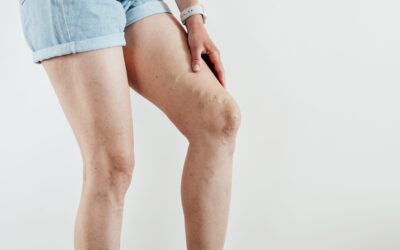
The health of our circulatory system is, without a doubt, one of the fundamental pillars for ensuring active longevity free of serious complications. In my daily practice as a specialist in Cuenca, Ecuador, I frequently observe that many of the most severe arterial and venous pathologies could have been avoided with early detection and strategic lifestyle changes. Vascular disease prevention is not just about avoiding the appearance of aesthetic varicose veins, but about protecting vital organs and preventing catastrophic events such as diabetic foot, thrombosis, or strokes. Understanding how to care for our arteries and veins is the first step toward a full life.
Vascular disease prevention is a set of medical measures, nutritional habits, and lifestyle changes aimed at maintaining the functional integrity of arteries, veins, and lymphatic vessels. Its primary goal is to delay or avoid the development of pathologies such as atherosclerosis, chronic venous insufficiency, and arterial occlusions through the control of risk factors.
What is vascular disease prevention?
When we talk about prevention in vascular surgery, we are referring to an integrated strategy that seeks to protect the body’s ‘circulatory tree.’ As Dr. Juan Carlos Peralvo, I always explain to my patients in Cuenca that the vascular system is a complex network of pipes that transports oxygen and nutrients to every corner of the body. If these pathways become obstructed or lose their elasticity, general health is compromised.
There are two fundamental levels of prevention:
- Primary Prevention: This is applied before the disease appears. It is aimed at healthy individuals who have risk factors (such as a family history of varicose veins or diabetes) to prevent the vessel walls from beginning to deteriorate.
- Secondary Prevention: This focuses on patients who already show initial signs of vascular disease. Here, the goal is to prevent the condition from progressing to serious complications, such as leg ulcers or gangrene, through rigorous monitoring and, sometimes, the use of vascular Doppler ultrasound to monitor blood flow.
According to the World Health Organization (WHO), cardiovascular diseases are the leading cause of death worldwide. In Ecuador, data from the Ministry of Public Health (MSP) suggests that a sedentary lifestyle and a high-carbohydrate diet have increased the incidence of circulatory problems, especially in highland cities like Cuenca, where atmospheric pressure and cold can influence peripheral vasoconstriction.
When is vascular prevention indicated?
Prevention should not wait for the appearance of painful symptoms. However, there are groups of people who require mandatory preventive intervention due to their clinical profile. In my specialized practice in Cuenca, I recommend starting vascular prevention protocols in the following cases:
- Patients with diabetes mellitus: High blood sugar damages the inner layers of the arteries, accelerating the formation of calcium and fat plaques.
- People with arterial hypertension: Constant pressure weakens the vascular walls, facilitating the appearance of aneurysms or ruptures.
- Active smokers or ex-smokers: Tobacco is the number one enemy of circulation, causing chronic inflammation in the endothelium (the inner layer of the vessels).
- People with a family history: If your parents or grandparents suffered from thrombosis, severe varicose veins, or heart attacks, your genetic risk is higher.
- Sedentary lifestyle: Those who spend more than 6 hours sitting or standing without significant movement are at high risk for venous insufficiency.
It is important to highlight that prevention is also indicated for women during stages of hormonal changes, such as pregnancy or menopause, where the elasticity of the veins can be affected, favoring the appearance of telangiectasias (spider veins).
| Risk Factor | Effect on the Vascular System | Recommended Preventive Action |
|---|---|---|
| Smoking | Arterial stiffness and clot formation. | Total cessation of the smoking habit. |
| Diabetes | Microangiopathy and risk of diabetic foot. | Strict blood glucose control and foot inspection. |
| Sedentary Lifestyle | Blood pooling in the legs (stasis). | Daily walks of at least 30 minutes. |
| Obesity | Increased pressure on the venous system. | Balanced diet and weight control. |
Step-by-step process or treatment for prevention
The prevention of vascular diseases is not a one-time event, but a continuous and structured process that I design for each patient in my clinic. This process usually follows these steps:
- Initial Clinical Evaluation: During the consultation, I conduct a detailed medical history, analyzing hereditary factors, eating habits, and physical activity. It is essential to identify early signs such as heaviness, night cramps, or changes in skin color.
- Specialized Physical Examination: I proceed to palpate pulses at different points of the body (arms, groin, behind the knees, and feet) to verify that blood is flowing with adequate pressure.
- Imaging Diagnosis (Vascular Check-up): I use high-technology tools such as Doppler ultrasound. This non-invasive study allows us to see in real-time how blood circulates and detect obstructions or venous valves that are not functioning correctly before they cause pain.
- Habit Modification Plan: We set clear goals. This includes a low-sodium diet to protect the arteries and a high-fiber diet to avoid constipation, which increases abdominal pressure and affects venous return.
- Prescription of Elastic Compression: In cases of venous risk, the use of graduated compression stockings is one of the most effective preventive tools to help the leg veins push blood back toward the heart.
- Periodic Follow-up: Prevention requires consistency. Depending on the level of risk, we schedule visits every 6 or 12 months to adjust the plan according to the patient’s progress.
‘Modern vascular medicine has evolved: today our goal is not just to operate, but to prevent the patient from reaching the operating room through rigorous and humane preventive control.’ – Dr. Juan Carlos Peralvo.
Recovery and care in the preventive field
Unlike surgery, in prevention, we do not talk about post-operative recovery, but rather about the adoption of permanent care that ensures the vascular system remains young. This care is essential, especially in the environment of Cuenca, where the altitude can demand greater effort from the cardiovascular system.
Constant hydration: Drinking enough water helps maintain blood viscosity at optimal levels, reducing the risk of thrombus formation. This is particularly relevant in our city because the climate can be dry.
Limb care: To prevent complications such as diabetic foot, it is vital to keep the skin hydrated with specific creams and avoid walking barefoot. Any small wound must be supervised by a specialist.
Targeted physical activity: Not all exercises are equal for vascular health. I recommend low-impact activities such as swimming, cycling, or walking. Exercises involving excessive weight lifting without proper technique should be avoided, as this can abruptly increase venous pressure.
Cholesterol and triglyceride control: Keeping lipid levels under control prevents the arteries from ‘oxidizing’ and hardening, a process known as atherosclerosis which is the foundation of most arterial diseases.
Frequently Asked Questions
Is the vascular prevention process painful?
Not at all. Prevention consists mainly of clinical evaluations, habit changes, and non-invasive diagnostic studies. Doppler ultrasound, for example, is a completely painless procedure performed on the skin with a conductive gel, similar to a conventional prenatal ultrasound.
How long is the recovery?
Since this is prevention, there is no recovery time as such. What we seek is a ‘life transformation.’ The benefits of improving circulation begin to be felt within a few weeks: less heaviness in the legs, more energy, and the peace of mind of knowing that long-term cardiovascular health is being protected.
Does health insurance cover it in Ecuador?
Most private health insurance in Ecuador covers specialist consultations and diagnostic tests like the Doppler when there is medical justification or evident risk factors. In my practice in Cuenca, we work with various insurance companies; however, we always recommend verifying the coverage details of your specific plan.
Can prevention eliminate the varicose veins I already have?
Prevention helps existing varicose veins from worsening and prevents new ones from appearing. However, to eliminate veins that are already dilated or damaged, specific treatments such as sclerotherapy or laser surgery are required. The goal of prevention is to stop the progression of chronic venous disease toward high-risk stages such as varicose ulcers.
When to consult Dr. Juan Carlos Peralvo?
As a specialist in vascular surgery in Cuenca, Ecuador, my recommendation is not to wait until you feel a sharp pain or notice drastic changes in your legs to schedule an appointment. Prevention is most effective when started in time.
You should consult if you experience frequent swelling in the ankles at the end of the day, if you notice your feet are always cold, if dark spots appear near the ankles, or if you feel cramps that interrupt your night’s rest. Likewise, if you have diabetes or hypertension, an annual vascular evaluation should be an essential part of your health routine.
In my office, located in a strategic area of Cuenca, we have the technology and experience necessary to perform an accurate diagnosis and design a prevention plan tailored to you. The value of these procedures and evaluations is defined during the personalized assessment, where we analyze the complexity of each case and the specific needs of the patient.
Investing in the health of your veins and arteries today is guaranteeing your mobility and well-being tomorrow. I will be happy to receive you and accompany you in the care of your vascular health.