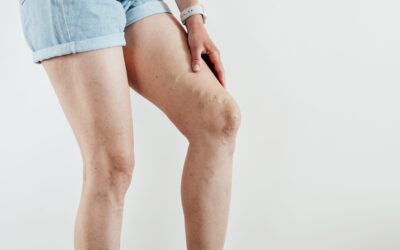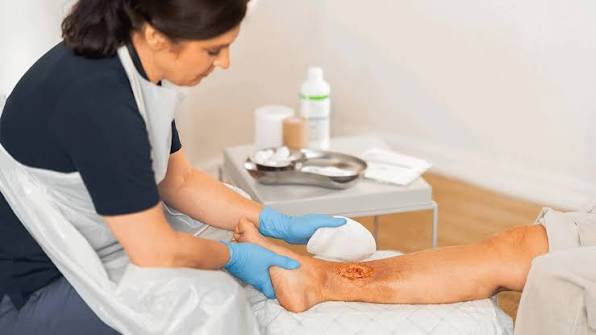
Varicose ulcers represent one of the most severe and challenging complications of chronic venous insufficiency. In my daily practice as a vascular surgeon in Cuenca, Ecuador, I frequently see how this pathology significantly deteriorates patients’ quality of life, limiting their mobility and affecting their emotional well-being. Many people confuse these lesions with common or diabetic wounds, delaying proper diagnosis. However, these open sores, which usually appear in the inner malleolar region of the leg, are the end result of elevated venous pressure sustained for years. Addressing this problem requires not only local wound care, but also treating the root cause in the circulatory system to achieve definitive closure and prevent the annoying recurrences that so frustrate those who suffer from them.
A varicose ulcer is a skin lesion of chronic evolution and difficult healing, usually located in the lower part of the leg. It occurs as a direct consequence of prolonged venous hypertension, resulting from the malfunction of the valves in the veins, which causes tissue damage and skin rupture.
What is a varicose ulcer?
To better understand this condition, we must understand that the venous system of our lower extremities has the difficult task of pumping blood back to the heart against gravity. To achieve this, it relies on one-way valves. When these valves fail—a condition known as chronic venous insufficiency—blood pools in the legs (venous stasis). This constant pressure damages the small blood capillaries, preventing the skin and tissues from receiving the necessary oxygen and nutrients. Over time, this nutritional deficit causes cell death, chronic inflammation, and finally, skin rupture, originating the varicose ulcer.
In the context of our population in Cuenca, factors such as prolonged standing due to commercial or agricultural occupations, a sedentary lifestyle, and genetic predisposition play a fundamental role. According to statistics from the Ministry of Public Health of Ecuador and international guidelines from the Society for Vascular Surgery, up to 1% of the adult population may develop a venous ulcer at some point in their life, being more frequent in women over 50 years of age. It is important to note that these wounds do not heal on their own with topical creams if the underlying circulatory problem is not corrected.
When is it indicated?
Specialized treatment for a varicose ulcer is indicated as soon as the lesion is diagnosed, or even earlier, at the first warning signs such as ocher dermatitis (dark spots on the skin), lipodermatosclerosis (hardening of the skin), or persistent edema. We should not wait for the wound to grow or become infected to seek professional help.
As a specialist, I indicate surgical intervention or a minimally invasive procedure when:
- The ulcer shows no signs of improvement after 4 to 6 weeks of strict conservative medical treatment.
- There is clear evidence of significant venous reflux in the saphenous axes using a vascular Duplex Ultrasound.
- Recurrent episodes of cellulitis or severe local infections associated with the ulcer occur.
- Pain severely interferes with the patient’s daily activities and nighttime rest.
Step-by-step process or treatment
The comprehensive management of varicose ulcers in my practice in Cuenca, Ecuador, follows a structured protocol based on international clinical guidelines:
- Clinical evaluation and Color Duplex Ultrasound: We perform a thorough assessment of the medical history and ultrasound mapping to identify exactly which veins present insufficiency and reflux.
- Ulcer cleaning and debridement: Devitalized tissue, fibrin, or slough is removed to stimulate the formation of healthy granulation tissue.
- Infection and exudate control: Application of specific advanced dressings according to the degree of moisture and presence of bacteria.
- Multilayer compression therapy: This is the fundamental pillar of medical treatment. Bandages or graduated compression systems are applied to help the muscle pump return blood to the heart, reducing venous hypertension.
- Correction of venous reflux (Minimally invasive surgery): Once the wound is stabilized or in the process of closing, we proceed to eliminate the diseased vein using advanced techniques such as endovenous laser surgery or ultrasound-guided foam sclerotherapy, avoiding traditional open surgery.
Recovery and care
Recovery after the closure of a varicose ulcer is a process that requires commitment and patience on the part of the patient. In the first few days following the minimally invasive procedure, the patient can resume their daily activities almost immediately, although it is recommended to avoid intense physical exertion during the first week.
Essential care includes:
- Constant use of compression stockings: Once the ulcer has healed, the daily use of medical compression elastic stockings is mandatory to prevent the reappearance of the lesion.
- Skin care: Keep the skin of the leg hydrated and clean to avoid dryness and stasis dermatitis.
- Mobility and exercise: Walking daily promotes the activation of the calf muscle pump.
- Postural control: Avoid standing or sitting for prolonged periods without interruptions, and elevate the legs above heart level during rest periods.
Frequently Asked Questions
Is it painful?
The ulcers themselves can cause a dull ache, heaviness, or constant burning due to tissue inflammation. However, the modern procedures we perform for their treatment, such as endovenous laser, are performed under local anesthesia or sedation, so the patient experiences no pain during the intervention. Advanced wound care is managed with prior analgesics if the sensitivity of the area is very high.
How long is the recovery?
Complete closure of the varicose ulcer can take from a few weeks to several months, depending directly on the initial size of the lesion, the patient’s general health, and adherence to compression treatment. On the other hand, recovery from laser surgery to correct the affected veins is extremely fast, allowing walking the same day and returning to work in 24 to 48 hours.
Does health insurance cover it in Ecuador?
Yes, many private health insurances in Ecuador cover both the diagnostic evaluation and surgical procedures for chronic venous insufficiency and its complications, as long as medical necessity is demonstrated (backed by Duplex Ultrasound). It is essential to check the specific conditions of your policy and deductibles. To learn more about care options, you can review detailed information in our section on accepted medical insurances.
Why is my varicose ulcer not healing despite using expensive creams?
This is one of the most common mistakes. Creams or ointments act only superficially on the skin. If the underlying cause is high venous pressure generated by incompetent veins inside the leg, no cream will manage to close the wound definitively. It is essential to treat the circulatory problem from the origin.
When to consult Dr. Juan Carlos Peralvo?
I recommend you go for a specialized evaluation with me if you or a family member presents a wound on the leg that shows no signs of healing after two weeks, if you notice the skin of the calf hardened and dark, or if you experience intense pain, swelling, and foul-smelling discharge in an ulcerated varicose vein. As a vascular surgery specialist in Cuenca, Ecuador, I am committed to offering you an accurate diagnosis and cutting-edge treatment to restore your health and the freedom to walk without pain. I invite you to learn more about our services and schedule an appointment by visiting our contact page.